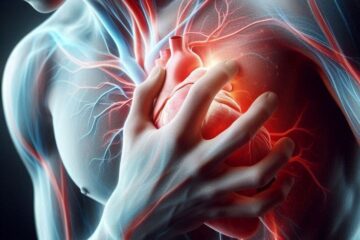
We cannot talk about heart without talking about chest pain. Keeping the heartbeat steady and regular is essential for good health. Maintaining a rhythm that’s consistent is key to keeping the heartbeat under control.
Chest pain is a symptom of serious, potentially life-threatening conditions like heart attack, pulmonary embolism, or aortic dissection, which collectively are major causes of worldwide mortality. Key risk factors for these conditions include cardiovascular disease (CVD) risk factors such as unhealthy diets, inactivity, smoking, high blood pressure, and diabetes, as well as non-cardiac factors like lung infections, muscle strain, and panic attacks. It is described as intense crushing pain that radiates to the neck, arm or shoulder.
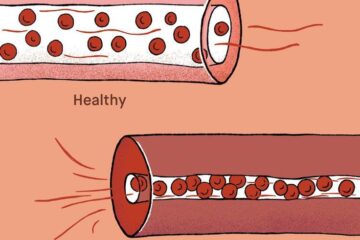
It can be caused by numerous reasons, one of the causes of angina pectoris being when an individual gets reduced blood supply and oxygen to the heart muscle, most frequently due to coronary artery disease (narrowing of coronary arteries) due to cholesterol deposition (atherosclerosis). It can also be due to the increased workload of the heart due to disease states like hypertension or congestive heart failure, coronary artery spasm, clots, or certain heart valve or muscle diseases. And this necessitates all to pay attention to any chest pain symptoms and seek medical attention immediately.
A myocardial infarction, or heart attack, will manifest also with chest tightness, squeezing or pressure, or a dull ache that is pretty scary.
The pain or the pressure in the chest radiates to the arm, jaw, or back. Shortness of breath, nausea, and dizziness are some other symptoms. Treatment is urgent, as prompt restoration of blood flow significantly improves the outcome by minimizing permanent heart muscle damage.
Procedures such as ECG and laboratory tests such as Troponin are done urgenty to facilitate diagnosis in a hospital set up. Coronary angiogram can be done to visualize the arteries and identify the blocked vessels.
Chest pains can also be caused by pericarditis. Viral, bacterial and fungal infections are the most common causes. Other causes include; cardiac surgery and chest trauma.
An aortic dissection is an almost fatal medical emergency where there is an inner lining tear within the great aorta. The tear allows high-pressure blood to flow between layers of the aorta. The dissection can be catastrophic for circulation of blood to the body’s vital organs and leads to rupture and instant death.