Obesity is not merely a matter of looking overweight; rather, it is a grave health disorder affecting millions worldwide. Understanding its consequences is important because obesity will lead to many types of medical problems that relate to the quality and period of one’s life.

The Main Health Risks Linked to Obesity
Essentially, obesity generally occurs when excess fat is carried within the body, thereby disrupting normal functioning. This extra amount of fat increases the load on key organs and systems that lead to a number of complications, life-threatening at times.
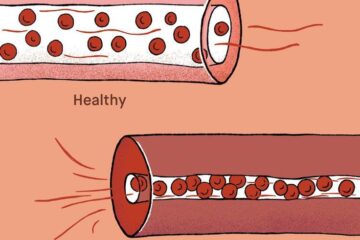
Cardiovascular diseases: This is one of the most frequent risks. Excess weight raises the chances of high blood pressure and increased cholesterol levels, which put a strain on the heart and blood vessels together, greatly increasing the risk of heart attacks and strokes.
Type 2 diabetes: This is an important cause of insulin resistance, whereby the body cannot regulate the blood sugar levels as it would. This can lead to a chronic disease called type 2 diabetes, requiring a lifetime of management and possibly leading to other illnesses such as kidney failure and nerve damage.

Respiratory problems: Surplus body fat may make breathing more difficult. Sleep apnoea, a condition characterized by transient cessation of respiration during sleep, is heavily associated with obesity and dramatically deteriorates quality of sleep and heart health.
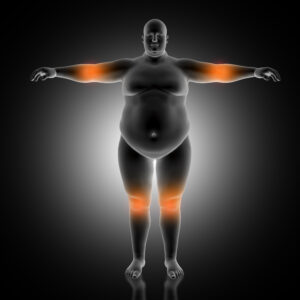
Joint and mobility problems: Additional body weight puts pressure on bones, especially in the knees and hips, increasing the risk of osteoarthritis. This can lead to chronic pain and reduced mobility.
Mental health issues: Besides the physical aspect, obesity affects mental health. Many are depressed, anxious, or have low self-esteem, normally because of the social stigma or chronic illness associated with this condition.
Furthermore, it increases the chances of certain types of cancer and liver disease, showing just how widespread its effects can be at the level of different bodily systems.
Why Addressing Obesity Matters
Recognition of the health complications associated with obesity outlines the need for prevention and changes in lifestyle. Healthy eating, regular physical activity, and medical support together can reduce risks and lead to better health outcomes.
Understanding these links provides hope and direction for those affected. Ultimately, the struggle with obesity is not an individual health issue but a challenge to public health strategy that requires awareness, compassion, and effective intervention.