You Feel Fine… But Are You Really?
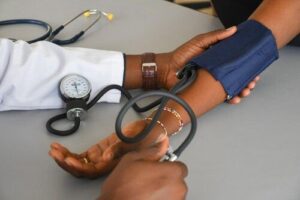
Hypertension, also known as high blood pressure, is one of the most prevalent and dangerous health conditions in the world. The scariest part is most people don’t even know they have it. It doesn’t hurt. It doesn’t slow you down. Until one day, it does. And by then, it may be too late. Imagine going by your day but inside your body, a quiet storm is brewing, a force pushing against your blood vessels, day after day, year after year, scary right?
The Quiet Killer That Doesn’t Knock, Hypertension is subtle.
A silent predator that stalks its prey patiently. Most people don’t even know they have it until something serious happens: a heart attack, a stroke, or even sudden death. And yet, it affects over 1.2 billion people worldwide. One in every three adults. That’s a staggering number. But here’s the real kicker: hypertension is largely preventable and treatable. You just have to know it’s there.
What Is Hypertension?
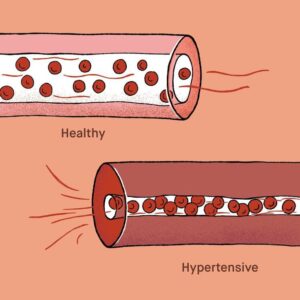
At its core, hypertension is simple. It happens when the force of blood against your artery walls is consistently too high. This pressure damages your heart, blood vessels, brain, and kidneys over time, often without a single symptom.
Normal blood pressure is defined as less than 120/80 mmHg, with both systolic and diastolic values within healthy ranges. When systolic pressure rises to between 120 and 129 mmHg, while diastolic stays below 80 mmHg, this is considered elevated blood pressure. Although this isn’t yet hypertension, it indicates increased strain on the heart and suggests that lifestyle changes are needed to prevent worsening.
Stage 1 hypertension is diagnosed when systolic readings are between 130 and 139 mm Hgordiastolic readings are between 80 and 89 mmHg. At this point, medical advice is important to lower risks through changes in diet, exercise, or medication.
Stage 2 hypertension means even higher pressures, with systolic at or above 140 mm Hgordiastolic at or above 90 mmHg. This often requires more intensive management to prevent complications like heart attack, stroke, or kidney damage.
Why Should You Care?
Let’s make it personal. Meet James. James is 42. He works a 9 to 5 job, skips breakfast, hits the drive-thru for lunch, and
tells himself he’ll start exercising “next week.” He doesn’t feel sick, maybe a bit tired, maybe some headaches. But who doesn’t get those?
James doesn’t know his blood pressure is 150/95. Fast forward a few years, James is in the ER with a stroke. Half of his body won’t move. His speech is slurred. He’s crying, not because of the pain, but because he never saw it coming. He never checked. And now, everything has changed.
This is not an exaggeration. This is real life for a lot of people. 1 in 3 adults worldwide has high blood pressure, and many don’t know it. Because it doesn’t matter if you feel “healthy.”
What Causes It?
The common causes of hypertension often called the “usual suspects” include a poor diet, particularly one high in salt, fat, and processed foods; lack of physical activity; excessive alcohol consumption and smoking; chronic stress; genetic predisposition; and obesity. Each of these factors contributes to increased strain on the cardiovascular system, raising blood pressure and overall heart disease risk.
If you ignore high blood pressure, it can lead to serious problems down the road; like heart attacks, stroke, kidney failure, vision loss, or even death. Taking care of it early can save you from a lot of trouble later.
Good News is;
You don’t have to be a victim. You can fight back. You can take control. And it starts with awareness.
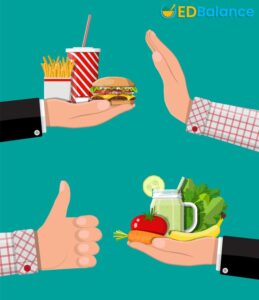
Here’s how to take control of your blood pressure. Don’t wait for symptoms , high blood pressure often has none. Get checked regularly and watch what you eat. Make your plate your medicine by choosing fruits, veggies, lean proteins, and whole grains, while cutting back on salt and processed foods. The DASH diet is a great guide for this. Also, keep your body moving. You don’t need a gym, even a 30-minute walk each day helps. Dance, stretch, lift, or play with your kids. Small, consistent changes can make a big difference for your heart.